
 Bobby Powell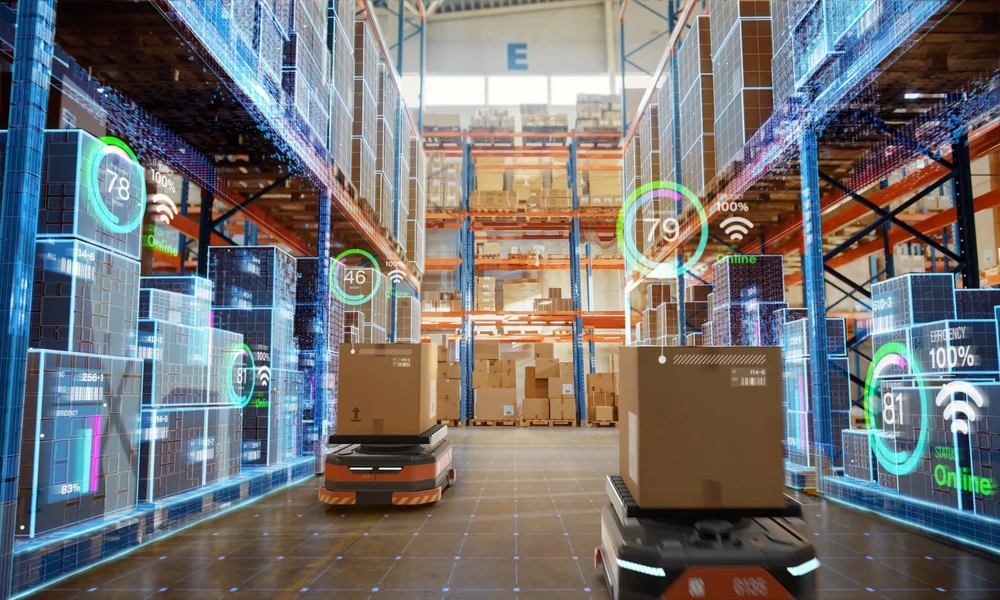
Key Takeaways
- Automated storage systems maximize available space by using vertical storage and optimized layouts, allowing businesses to store more items within the same footprint.
- Marina storage facilities can use vertical systems to increase boat capacity while improving organization, accessibility, and security.
- Automated parking solutions maximize limited urban space by stacking vehicles efficiently and reducing the amount of land required for parking.
- Warehouses can increase storage density by using robotic systems that automate the movement, storage, and retrieval of inventory.
- Real-time inventory tracking helps businesses make better use of available storage space by preventing overstocking and improving inventory organization.
- Modular and scalable automated storage solutions allow businesses to expand their storage capacity as demand increases without requiring major infrastructure changes.
- By maximizing space utilization, automation can also improve operational efficiency, reduce labor requirements, and create long-term value for businesses.
Use Vertical Space to Increase Storage Capacity
One of the most effective ways to maximize limited space is to look upward. Traditional storage layouts often rely heavily on floor space, leaving valuable vertical areas unused. Automated storage solutions can change this by using vertical space to increase capacity without requiring additional land.
This approach is particularly useful for facilities operating in areas where expanding the physical footprint is difficult or expensive. Instead of spreading storage horizontally, businesses can use automated systems to organize products, vehicles, boats, or equipment across multiple vertical levels.
Maximizing Marina Storage Through Vertical Design
Modern marinas often face a difficult challenge: increasing demand for boat storage while dealing with limited waterfront space. Traditional boat storage methods can require large amounts of land, making it difficult for marina operators to expand capacity.
Vertical automated storage systems provide an alternative. Boats can be organized and stored in multiple levels, allowing marinas to accommodate more vessels within the same footprint.
The benefits may include:
- Increased storage capacity
- More efficient use of limited land
- Organized boat placement
- Faster retrieval and storage processes
- Improved customer convenience
By making better use of vertical space, marinas can potentially increase their capacity without purchasing additional property. This allows operators to serve more customers while making their existing facilities more productive.
Improving Security and Organization
Vertical automated storage can also improve security. Instead of having boats or equipment spread across a large, open storage area, automated systems can place assets in controlled locations.
Features such as access controls, automated retrieval systems, surveillance, and locking mechanisms can help protect stored property. Better organization also makes it easier for facility managers to monitor and manage their assets.
For customers, this combination of efficient storage and improved security can create greater confidence in the facility.
Optimize Parking Layouts and Maximize Available Space
Parking is another area where space limitations can create significant challenges. In busy urban environments, traditional parking facilities often require large areas of land while leaving considerable space unused between vehicles.
Automated parking systems address this issue by using technology and intelligent layouts to store vehicles more efficiently.
Stacking Vehicles to Save Valuable Floor Space
Traditional parking spaces require driving lanes, ramps, and wide access areas. Automated parking solutions can reduce some of these space requirements by using mechanical systems to move and stack vehicles.
This can allow parking facilities to accommodate more cars within a smaller footprint.
Potential advantages include:
- Increased vehicle capacity
- More efficient use of available land
- Reduced need for large driving aisles
- Faster vehicle organization
- Better use of vertical space
For property developers and urban planners, this can be particularly valuable in locations where land is expensive or scarce.
Improving the Driver Experience
Maximizing space does not have to come at the expense of convenience. Automated parking technology can streamline the process of storing and retrieving vehicles.
Drivers may be able to use automated interfaces to check in their vehicles, while the system handles the parking process. When the vehicle is needed, automated equipment can retrieve it from its designated location.
This can reduce the time drivers spend searching for parking and may create a more organized experience for users.
Increase Warehouse Storage Density with Automation
Warehouses are under constant pressure to store more inventory while maintaining fast and accurate fulfillment. As product volumes increase, businesses may quickly run out of available floor space.
Automated storage and retrieval solutions can help warehouses make better use of their existing facilities.
Reducing the Space Required for Manual Storage
Traditional warehouses often require wide aisles and significant open space for workers and equipment to move around. Automated systems can reduce some of these requirements by using robotics and specialized storage technologies.
Products can be stored in organized locations and retrieved automatically when needed. This allows businesses to increase storage density while improving inventory accessibility.
Key benefits can include:
- More products stored within the same facility
- Reduced space wasted on unnecessary aisles
- Faster product retrieval
- Improved inventory organization
- Reduced reliance on manual handling
Automation can be especially valuable for warehouses operating in expensive real estate markets. Rather than immediately expanding to a larger facility, businesses may be able to increase capacity by improving how existing space is utilized.
Improving Efficiency Alongside Space Utilization
Space optimization is only one advantage. Automated warehouse systems can also improve operational efficiency.
Robotic systems can perform repetitive storage and retrieval tasks consistently, helping reduce manual errors and speeding up order fulfillment. Employees can then focus on tasks that require decision-making, customer service, or specialized skills.
The result is a storage environment that uses space more effectively while supporting faster and more reliable warehouse operations.
Improve Inventory Management with Real-Time Tracking
Maximizing physical space is only part of the solution. Businesses must also manage inventory efficiently to prevent valuable storage capacity from being wasted.
Real-time inventory tracking provides businesses with better visibility into what they have, where it is located, and how much space it occupies.
Preventing Overstocking and Underutilization
Poor inventory management can lead to unnecessary storage problems. Overstocking consumes valuable space, while poorly organized inventory can make it difficult to identify available capacity.
Automated tracking systems help businesses monitor inventory levels in real time. Managers can use this information to make better decisions about purchasing, stocking, and product movement.
For example, businesses can:
- Identify slow-moving inventory
- Reduce unnecessary stock accumulation
- Improve product organization
- Monitor available storage capacity
- Forecast future inventory requirements
Better inventory visibility allows businesses to use their storage space more strategically.
Creating a More Organized Storage Environment
An automated storage facility can assign products to appropriate locations based on factors such as size, demand, and accessibility.
Fast-moving products may be positioned for easier retrieval, while less frequently requested items can be stored in less accessible locations. This approach helps businesses make every part of their storage facility more productive.
Instead of treating storage space as a collection of static shelves or locations, automation turns it into a dynamic system that continuously adapts to inventory needs.
Scale Storage Capacity as Your Business Grows
Business needs rarely remain the same. Seasonal demand, new products, increased orders, and expansion can all create additional storage requirements.
One of the biggest advantages of automated storage solutions is their ability to support growth.
Modular Systems That Adapt to Changing Demand
Many modern automated storage solutions are designed with scalability in mind. Businesses can expand their storage capabilities by adding additional equipment, modules, or storage capacity as needed.
This flexibility can be valuable for companies that experience fluctuating demand.
For example, a business may need additional capacity during:
- Holiday shopping seasons
- Promotional campaigns
- Product launches
- Business expansion
- Unexpected increases in customer demand
Instead of completely redesigning a facility, a scalable automated system can allow businesses to adjust their storage capabilities more efficiently.
Future-Proofing Your Facility
Investing in scalable automation can help businesses prepare for future growth. A storage system that works today but cannot accommodate tomorrow’s demand may eventually become a limitation.
Scalable solutions provide greater flexibility and allow businesses to make better use of their existing infrastructure over time.
This can lead to:
- More efficient use of available space
- Reduced need for frequent facility expansion
- Improved operational flexibility
- Easier adaptation to changing demand
- Greater long-term storage capacity
By planning for future requirements, businesses can avoid making expensive changes every time their storage needs increase.
Why Space Optimization Matters for Businesses
Space is one of the most valuable resources for many businesses. Whether a company operates a warehouse, marina, parking facility, or distribution center, inefficient use of available space can increase costs and limit growth.
Automated storage systems provide a way to approach space management more strategically. Instead of simply adding more floor space, businesses can improve how existing space is organized and utilized.
The potential benefits extend beyond storage capacity. Better space utilization can also contribute to:
- Lower real estate requirements
- Improved workflow efficiency
- Reduced labor costs
- Faster retrieval processes
- Better inventory visibility
- Improved customer experiences
When space is managed effectively, businesses can potentially increase capacity without making proportional increases in their physical footprint.
Making the Most of Automated Storage Technology
Choosing an automated storage solution requires careful planning. Every facility has different requirements, and the best system depends on factors such as available space, storage volume, product type, retrieval frequency, and future growth expectations.
Before investing in automation, businesses should consider:
- How much additional storage capacity is needed?
- Is vertical space currently being underutilized?
- How frequently must products or assets be retrieved?
- What types of inventory or equipment will be stored?
- Can the system scale as demand increases?
- How will the technology integrate with existing operations?
- What maintenance and support will be required?
Answering these questions can help businesses select a system that maximizes space while also supporting long-term operational goals.
Final Thoughts
Maximizing available space is becoming increasingly important as businesses face rising real estate costs, growing inventory volumes, and increasing customer expectations.
Automated storage solutions offer a practical way to address these challenges. By using vertical space, optimizing parking layouts, increasing warehouse storage density, improving inventory tracking, and supporting scalable growth, automation can help businesses make significantly better use of their existing facilities.
The five key benefits are clear: more storage capacity, better space utilization, improved organization, greater operational efficiency, and scalable growth.
For businesses looking to expand without immediately investing in larger facilities, automated storage technology can provide an effective strategy for turning limited space into a more productive and efficient resource.
FAQ
What types of businesses can benefit from automated storage systems?
Many industries can benefit from automated storage solutions, including warehouses, distribution centers, marinas, parking facilities, manufacturing companies, and logistics operations. Any business that needs to maximize limited space and improve storage efficiency may find automation valuable.
How do automated systems maximize storage space?
Automated systems maximize space by using vertical storage, reducing unnecessary aisles, optimizing layouts, and organizing inventory more efficiently. These approaches allow businesses to store more products, vehicles, or equipment within the same physical footprint.
Can automated storage systems help warehouses save space?
Yes. Automated warehouse solutions can increase storage density by using vertical space and reducing the amount of floor area required for aisles and manual handling. This can allow businesses to store more inventory without immediately expanding their facilities.
How does automation improve parking capacity?
Automated parking solutions can stack vehicles vertically and optimize the use of available space. By reducing the amount of space required for driving lanes and traditional parking layouts, these systems can increase the number of vehicles a facility can accommodate.
Are automated storage solutions scalable?
Many automated storage solutions are designed to be scalable. Depending on the technology, businesses may be able to add storage modules or equipment as their needs grow, allowing them to increase capacity without completely rebuilding their facilities.
How does real-time inventory tracking help maximize space?
Real-time tracking gives businesses better visibility into inventory levels and storage locations. This helps reduce overstocking, identify unused capacity, and improve product organization, allowing available space to be used more effectively.
Are automated storage systems secure?
Many automated storage solutions include security features such as controlled access, surveillance, automated locking mechanisms, and tracking systems. These technologies can help protect stored products, vehicles, boats, and other valuable assets.
What should businesses consider before investing in automation?
Businesses should evaluate available space, storage requirements, inventory volume, retrieval frequency, scalability, integration with existing operations, maintenance requirements, and long-term costs. A careful assessment can help ensure the selected solution provides meaningful improvements in both space utilization and efficiency.