
 Donald Henry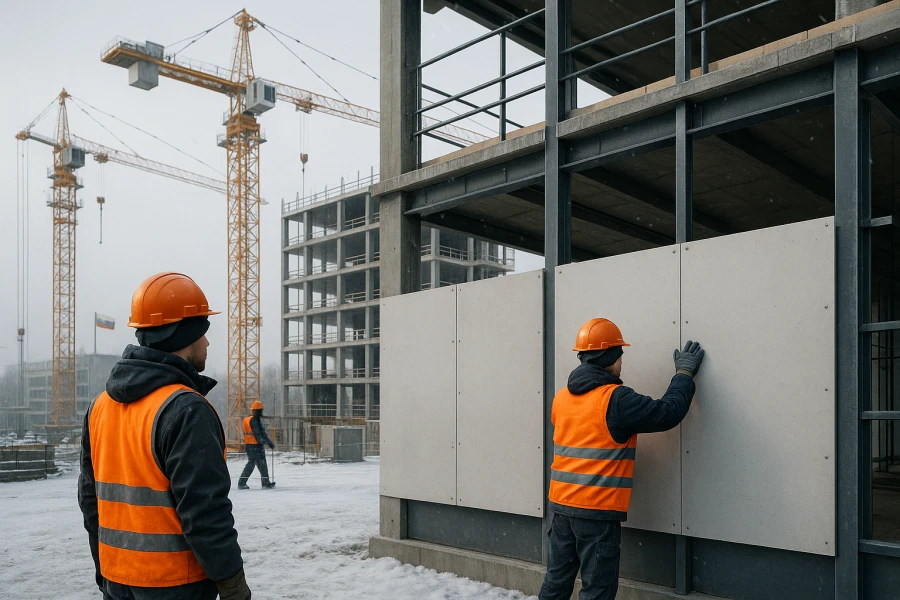
The construction industry is constantly evolving, searching for materials that are stronger, safer, and more sustainable. Among the most innovative solutions gaining momentum worldwide are mgo boards, also known as magnesium oxide board products. These advanced building panels offer an impressive combination of fire resistance, durability, environmental performance, and structural stability, making them an increasingly popular alternative to traditional drywall, plywood, and cement boards.
What Are mgo boards?
mgo boards are manufactured from magnesium oxide, magnesium chloride or sulfate, and various reinforcing materials such as fiberglass mesh. The result is a rigid, non-combustible panel that performs exceptionally well under demanding conditions. Unlike gypsum-based drywall, a magnesium oxide board does not rely on paper facings, which significantly improves its resistance to moisture, mold, and impact.
Because of their inorganic composition, mgo boards do not feed mold growth, do not rot, and do not degrade easily when exposed to humidity. This makes them particularly suitable for both interior and exterior applications where long-term performance is critical.
Fire Resistance and Safety Advantages
One of the most compelling benefits of a magnesium oxide board is its superior fire resistance. These boards are naturally non-combustible and can withstand extremely high temperatures without releasing toxic fumes. In fire-rated assemblies, mgo boards can help delay structural failure and improve overall building safety.
Compared to conventional drywall, which contains paper layers that can burn, mgo boards maintain their integrity longer during fire exposure. This makes them ideal for:
- Fire-rated wall systems
- Ceiling assemblies
- Shaft walls
- Exterior sheathing in wildfire-prone areas
For commercial buildings, multi-family housing, and public facilities, fire safety compliance is a major concern. Using mgo boards provides peace of mind and long-term protection.
Moisture, Mold, and Mildew Resistance
Moisture is one of the leading causes of material degradation in construction. Traditional gypsum panels can absorb water, swell, and lose structural integrity. In contrast, a magnesium oxide board is highly resistant to water damage.
Because mgo boards are inorganic, they do not provide a food source for mold. Even in humid environments such as bathrooms, kitchens, basements, or coastal regions, these boards maintain their stability. Builders increasingly choose mgo boards for:
- Wet rooms
- Exterior cladding systems
- Subfloor underlayment
- Tile backer applications
This resistance significantly reduces maintenance costs and improves indoor air quality over time.
Structural Strength and Durability
Durability is another major advantage of mgo boards. They offer excellent compressive and flexural strength compared to standard drywall. A properly installed magnesium oxide board resists cracking, impact damage, and warping.
This strength makes mgo boards suitable for high-traffic environments such as schools, hospitals, and commercial buildings. They also provide better screw-holding capacity than gypsum panels, which simplifies installation of fixtures, cabinets, and heavy equipment.
Additionally, because mgo boards are dimensionally stable, they experience minimal expansion or contraction due to temperature changes. This contributes to longer-lasting finishes and fewer visible joint cracks.
Sustainability and Environmental Benefits
Modern construction increasingly prioritizes sustainability. A magnesium oxide board is often considered an eco-conscious alternative to traditional materials. Magnesium oxide can be sourced with relatively low environmental impact, and the manufacturing process typically produces fewer emissions than Portland cement-based products.
Furthermore, mgo boards can contribute to green building certifications thanks to:
- Low VOC emissions
- Mold resistance without chemical additives
- Recyclable components
- Long lifespan reducing replacement frequency
For developers seeking environmentally responsible materials, mgo boards align well with green building strategies.
Versatility in Application
One reason mgo boards are becoming more widespread is their versatility. A single magnesium oxide board can function as wall sheathing, tile backer, fire barrier, or subfloor component.
Common applications include:
- Interior partition walls
- Exterior sheathing
- Soffits and ceilings
- Structural insulated panel (SIP) skins
- Flooring underlayment
Because mgo boards can be cut, drilled, and fastened using standard tools, contractors can integrate them into projects without specialized equipment.
Comparing mgo boards to Traditional Materials
When comparing mgo boards to gypsum drywall, cement board, or plywood, several distinctions stand out:
- Fire Resistance: A magnesium oxide board outperforms standard drywall in fire ratings.
- Moisture Resistance: mgo boards resist water damage better than gypsum panels.
- Strength: Higher impact resistance compared to typical drywall.
- Longevity: Less prone to deterioration in harsh environments.
Although the initial cost of mgo boards may sometimes be higher than basic drywall, the long-term performance benefits often justify the investment.
Installation Considerations
Installing mgo boards is similar to working with other rigid panels. However, proper fasteners and joint treatment systems should be used according to manufacturer guidelines. Cutting a magnesium oxide board may produce fine dust, so appropriate protective equipment is recommended.
Correct sealing and finishing ensure optimal performance, especially in exterior applications. When properly installed, mgo boards deliver consistent and reliable results for decades.
The Future of Magnesium Oxide Board Technology
As construction codes become stricter and sustainability requirements increase, mgo boards are positioned to play a significant role in the future of building design. Architects and builders are increasingly recognizing the value of magnesium oxide board systems for high-performance construction.
From fire safety to moisture resistance and environmental responsibility, mgo boards offer a comprehensive solution for modern structures. With their strength, stability, and versatility, they represent a forward-thinking material choice that aligns with today’s construction challenges.
In a world where resilience and sustainability matter more than ever, mgo boards are proving to be a smart investment for builders seeking performance without compromise.